
Stay informed about ongoing construction projects by checking the official project portal regularly, where Halton Region’s government posts updated timelines, road closures, and detour maps for infrastructure improvements across Burlington, Oakville, Milton, and Halton Hills. Sign up for email notifications to receive alerts about projects affecting your specific neighborhood or business district.
Plan your daily commute around active construction zones by reviewing weekly traffic advisories that detail lane restrictions, temporary route changes, and anticipated delays on major corridors. Most projects include interactive maps showing alternative routes and real-time progress updates.
Understand how construction benefits your community by exploring project fact sheets that explain infrastructure upgrades to water systems, sustainable stormwater management, expanded transit networks, and road rehabilitation work. These improvements strengthen both urban centers and rural areas while supporting long-term environmental goals.
Participate in public consultation sessions where residents and business owners can ask questions directly to project managers, voice concerns about construction impacts, and learn about mitigation measures like noise reduction strategies and dust control protocols. These sessions occur throughout project lifecycles and provide opportunities to shape how work progresses in your area.
Access compensation programs if your business experiences disruption from prolonged construction, including financial support and marketing assistance designed to maintain customer access during infrastructure work. Local economic development offices coordinate these resources to minimize impacts on Halton’s diverse business community.
What Halton Construction Encompasses
Halton Region manages an extensive portfolio of construction projects that form the backbone of community life across its diverse landscape. As part of Halton Infrastructure and Public Services, these construction activities ensure residents from bustling urban centers to peaceful rural communities have access to essential services and modern amenities.
The scope of construction work undertaken by the Region includes several major categories:
- Road construction and transportation infrastructure improvements
- Water supply systems and wastewater treatment facilities
- Waste management facilities and recycling centers
- Public buildings including libraries, community centers, and administrative offices
- Parks, trails, and recreational facilities
These diverse projects reflect the unique character of Halton’s geography, where urban growth areas in Oakville, Burlington, Milton, and parts of Halton Hills coexist with agricultural lands and protected green spaces. Road projects must accommodate both commuter traffic and farm equipment, while water systems serve high-density neighborhoods alongside rural properties on well water.
The Region’s construction approach recognizes this dual nature by designing infrastructure that supports economic vitality in urban cores while preserving the rural heritage that defines much of the community. Waste management facilities incorporate sustainable technologies that reduce environmental impact, and new public buildings often feature green design elements like energy-efficient systems and natural lighting.
Construction planning also considers future growth patterns, ensuring that infrastructure investments today will serve communities for decades to come. Whether extending water mains to support new residential development or upgrading treatment facilities to meet higher environmental standards, each project contributes to maintaining Halton’s exceptional quality of life across all communities.
Current and Recent Construction Projects
Road and Transportation Improvements
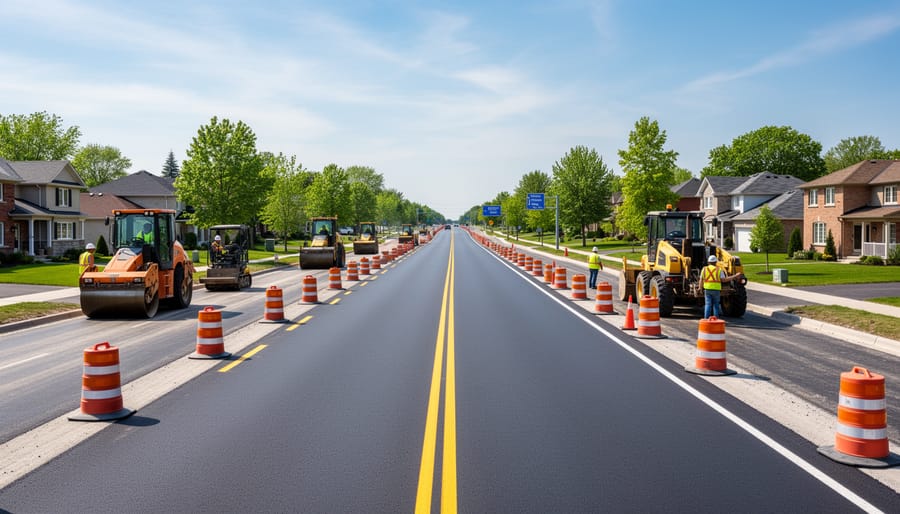
Halton Region continues to invest in transportation infrastructure that strengthens connections across its diverse communities. Several major roadway projects are currently underway to accommodate growth while improving safety and travel efficiency for all residents.
The widening of Trafalgar Road between Dundas Street and Highway 407 represents one of the most significant initiatives, addressing increased traffic volumes and enhancing capacity for both vehicles and pedestrians. This project incorporates dedicated cycling lanes and improved sidewalks, reflecting the region’s commitment to active transportation options that serve urban and rural residents alike.
Intersection improvements at key corridors throughout Burlington, Oakville, Milton, and Halton Hills are reducing congestion during peak hours while prioritizing pedestrian safety. These upgrades include modernized traffic signals, accessible crossing features, and enhanced lighting that make navigating our communities more convenient and secure for everyone.
Active transportation infrastructure continues expanding with new multi-use trails and bike lanes connecting residential neighborhoods to employment centers, schools, and recreational facilities. These pathways not only promote healthier lifestyles but also support environmental sustainability by offering viable alternatives to car travel.
Rural road rehabilitation projects ensure that agricultural areas remain accessible and well-maintained, recognizing the vital role these routes play in supporting local farming operations and connecting smaller communities to urban services. The region balances preservation of rural character with necessary improvements that benefit all road users.
These transportation enhancements demonstrate Halton’s forward-thinking approach to infrastructure, creating a more connected, accessible, and sustainable region for current and future generations.
Water and Wastewater Infrastructure
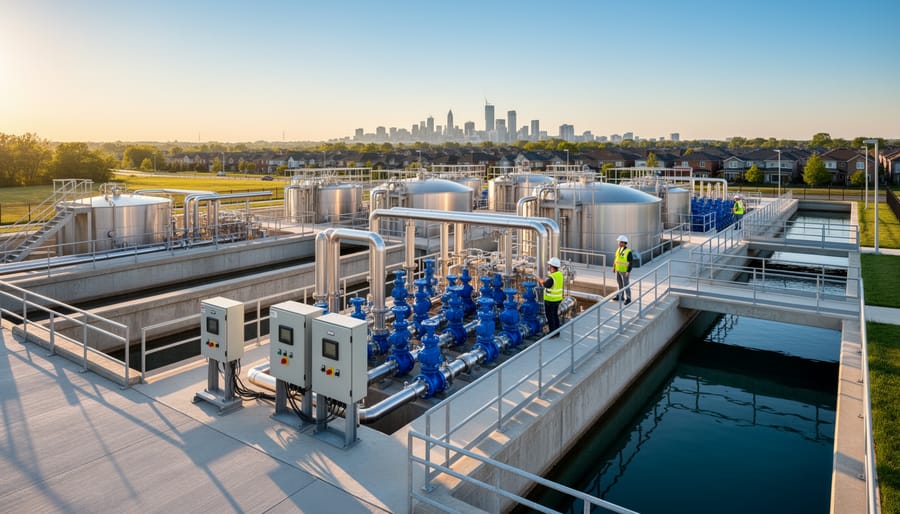
Clean water access remains a cornerstone of Halton’s infrastructure development, with ongoing construction projects enhancing both urban and rural communities. Recent upgrades to water purification facilities incorporate advanced filtration technologies that protect drinking water quality while meeting provincial standards. Distribution system improvements include the replacement of aging pipes, expansion of water mains to accommodate growing neighborhoods, and installation of monitoring equipment that ensures reliable service across the region.
Wastewater treatment plant construction addresses environmental protection and community health, with projects designed to meet strict treatment requirements for sewage established by Ontario regulations. These facilities process wastewater from homes and businesses, returning clean water safely to the environment. Recent construction has focused on increasing capacity to serve expanding populations while incorporating energy-efficient systems that reduce operational costs.
Construction timelines for water and wastewater projects typically span multiple years, with careful planning to minimize service disruptions. Residents and business owners can expect improved water pressure, enhanced water quality, and more resilient infrastructure that supports both current needs and future growth throughout Halton’s diverse communities.
Community Facilities and Public Spaces
Halton Region continues to invest in community facilities and public spaces that enhance quality of life for all residents. Recent projects include modern recreational centers featuring energy-efficient design, equipped with multipurpose courts, fitness areas, and community gathering spaces. Administrative buildings are being upgraded with sustainable features such as solar panels and green roofs, reducing environmental impact while serving growing populations.
Public parks and trail systems are expanding throughout the region, connecting urban centers with rural landscapes and promoting active lifestyles. New library branches incorporate flexible community spaces that support local programming and digital literacy initiatives. These facilities blend contemporary design with environmental responsibility, featuring natural lighting, water conservation systems, and locally-sourced materials where possible.
Construction timelines for community projects are carefully planned to minimize disruption while meeting the region’s evolving needs. Residents can expect improved accessibility features, enhanced safety measures, and welcoming spaces that foster community connection across Halton’s diverse neighborhoods.
How Construction Projects Impact Your Daily Life
Construction projects in Halton touch nearly every aspect of community life, from your morning commute to the quality of services you rely on daily. Understanding these impacts helps you plan ahead and recognize the valuable improvements taking shape across the region.
For residents navigating daily routines, construction activities most commonly affect travel patterns and commute times. Road widening projects, intersection improvements, and utility upgrades may require temporary lane closures or detours. The Region of Halton typically implements these changes during off-peak hours when possible, though some larger infrastructure work requires extended timelines. Signing up for project alerts and checking route updates before heading out can save you time and frustration. Many residents find that minor inconveniences during construction phases lead to significantly smoother traffic flow once projects complete, with reduced congestion and improved safety features making the temporary adjustments worthwhile.
Local business owners often experience both challenges and opportunities during construction periods. While reduced foot traffic or limited parking may occur in active construction zones, completed projects frequently enhance accessibility and attract new customers. The Region works closely with business improvement areas to maintain access routes and communicate project schedules, helping owners adjust their operations accordingly. Many successful businesses use construction periods to refresh their own spaces or engage customers through special promotions that acknowledge the temporary changes.
Tourists and visitors benefit from infrastructure improvements that make Halton more accessible and enjoyable to explore. Enhanced roadways connect scenic rural areas with vibrant downtown cores more efficiently, while upgraded community facilities and parks create welcoming destinations. The construction activities you witness today are building tomorrow’s amenities, from modern recreation centers to environmentally sustainable stormwater systems that protect the natural spaces that make Halton distinctive.
Sustainable Building Practices in Halton
Halton Region has emerged as a leader in environmentally responsible construction, balancing the needs of growing urban centres with the preservation of its cherished agricultural lands. Understanding how Halton Region approaches development reveals a strong commitment to sustainability that benefits both current residents and future generations.
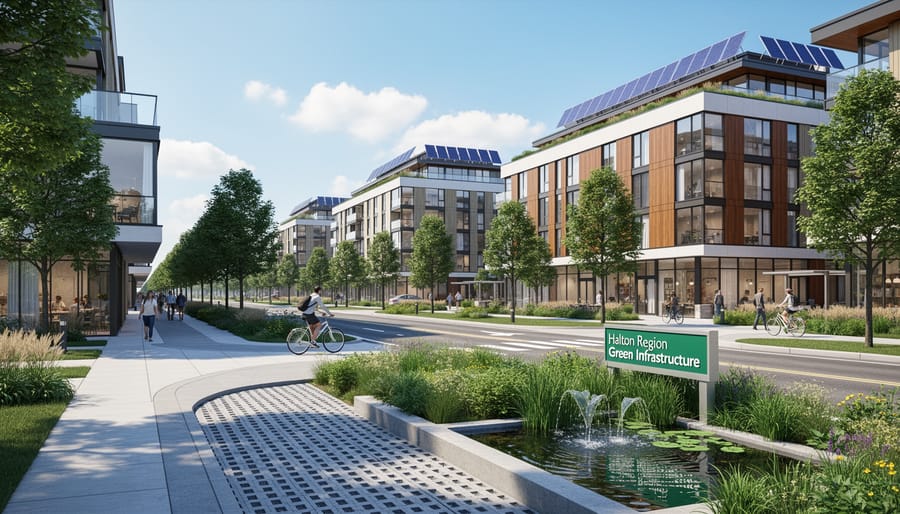
Public works projects across Halton increasingly incorporate green building standards, ensuring new facilities minimize environmental impact while maximizing energy efficiency. Recent community centres, municipal buildings, and transit infrastructure feature advanced water management systems, solar panels, and locally sourced materials that reduce transportation emissions. These thoughtful design choices demonstrate that growth and environmental stewardship can work hand in hand.
Green infrastructure plays a vital role in Halton’s construction approach. Permeable pavements, bioswales, and naturalized stormwater management systems help protect local watersheds while reducing flood risks. These features are particularly important in maintaining the health of agricultural lands, ensuring productive farmland remains viable for generations of local farmers.
Climate-conscious design extends to road construction and utilities upgrades, where planners consider long-term environmental impacts alongside immediate community needs. Tree preservation, habitat connectivity, and low-impact development techniques are now standard considerations in project planning phases.
The Region’s sustainable building practices reflect a deep understanding that construction activities shape community character and environmental health. By prioritizing green technologies and thoughtful design, Halton creates infrastructure that serves residents while protecting the natural and agricultural landscapes that define the area’s unique identity. This balanced approach ensures development supports economic growth without compromising the environmental values cherished throughout the community.
Navigating Construction Zones and Project Updates
Staying informed about construction projects in Halton Region helps residents and business owners plan their daily routines and minimize disruptions. The Region maintains several accessible communication channels to keep the community updated on ongoing work.
The primary source for construction updates is the official Halton Region website, which features a dedicated construction projects section. Here you’ll find detailed information about current roadwork, water and wastewater infrastructure improvements, and facility upgrades. Each project listing includes timelines, expected completion dates, and specific areas affected by closures or service changes.
For real-time updates, residents can subscribe to email notifications through the Region’s alert system. This service sends targeted messages about construction activities in specific areas, allowing you to receive only relevant information for your neighborhood or business location. Social media platforms, particularly Twitter, provide immediate updates on unexpected delays or emergency roadwork.
The Region also hosts public information sessions for major construction projects, offering opportunities to speak directly with project managers and engineers. These community meetings allow stakeholders to ask questions and understand how projects will benefit infrastructure while supporting sustainable development practices.
Local municipalities within Halton—Burlington, Oakville, Milton, and Halton Hills—maintain their own construction update pages for municipal road projects. Business owners can contact the Region’s Economic Development Office for additional support navigating construction impacts, including signage programs to maintain customer access during construction periods. Planning ahead using these resources ensures smoother navigation through temporary disruptions while contributing to Halton’s growing, well-maintained infrastructure.
What’s Next for Halton’s Infrastructure
Halton Region’s infrastructure roadmap balances ambitious growth with environmental stewardship and community character preservation. Upcoming construction initiatives reflect a commitment to sustainable development that honors the area’s unique blend of urban centers and agricultural landscapes.
Transportation improvements remain a priority, with plans for expanded transit corridors connecting Burlington, Oakville, Milton, and Halton Hills. These projects will enhance mobility while reducing environmental impact through increased public transit options and cycling infrastructure. The Region continues investing in road upgrades and intersection improvements designed to accommodate population growth without compromising rural charm.
Water and wastewater infrastructure expansions are essential components of Halton’s long-term strategy. Planned treatment facility upgrades will support residential and commercial development while protecting natural water resources that sustain both communities and farmland. These projects incorporate innovative technologies to maximize efficiency and minimize ecological footprints.
Green infrastructure initiatives will integrate natural systems into urban planning, including stormwater management solutions and green spaces that preserve agricultural heritage while serving growing populations. Community recreation facilities and cultural centers are also planned to enhance quality of life across all four municipalities.
The Region’s construction approach emphasizes transparency and community engagement, with regular updates and consultations ensuring residents stay informed about projects affecting their neighborhoods. This collaborative strategy positions Halton to meet future needs while maintaining the distinctive character that makes it a desirable place to live, work, and visit.
Construction investments across Halton represent more than physical structures—they’re building blocks for a stronger, more connected community. From improved transportation networks to enhanced public facilities, these projects strengthen the region’s infrastructure while supporting sustainable economic growth. Each development carefully balances urban progress with rural preservation, honoring Halton’s unique character while preparing for future needs.
These initiatives create lasting benefits for everyone who calls Halton home. Better roads reduce commute times, modernized water systems ensure reliable service, and green building practices protect our environment for generations to come. Local businesses thrive with improved infrastructure, while residents enjoy enhanced quality of life through accessible amenities and thoughtfully planned spaces.
Your voice matters in shaping Halton’s future. By staying informed and participating in regional planning processes, you help ensure construction projects reflect community values and priorities. Whether you’re a long-time resident, new arrival, or business owner, engaging with development plans helps create a Halton that works for everyone. Together, we’re building more than infrastructure—we’re building a vibrant, sustainable community where people and opportunities flourish.