
When an emergency strikes in Halton Region, help is available every hour of every day. Residents and visitors across Burlington, Oakville, Milton, and Halton Hills have access to a comprehensive network of 24/7 emergency services including police, fire, paramedics, and critical health services designed to respond swiftly whether you’re in a downtown core or a rural property. The system works because regional coordination ensures no community is left without coverage, even during overnight hours when staffing in rural areas can be challenging.
Knowing which service to contact and when can save precious minutes. While everyone recognizes 911 for life-threatening emergencies, Halton’s round-the-clock support extends far beyond crisis response. Mental health crisis lines, poison control, veterinary emergencies, utilities, and roadside assistance all operate continuously to serve the region’s diverse needs.
The urban-rural character of Halton presents unique considerations. Response times differ between the established neighborhoods of Oakville and the agricultural stretches of rural Milton, and understanding what to expect helps residents prepare appropriately. Weather events, highway incidents on the 401 and 407, and seasonal challenges like ice storms or flooding can strain resources, making it essential to know not just how to access help but what information responders need from you.
This guide covers every 24/7 emergency service available in Halton, explains when to use each one, and provides practical tips tailored to our community’s mix of urban centers and countryside. You’ll find the confidence to act quickly when it matters most.
When to Call 911 vs. Non-Emergency Services
Knowing when to dial 911 can make the difference between life and death. Call 911 immediately if someone’s life is in danger, property is threatened, or a crime is happening right now. This includes fires, serious injuries, chest pain or difficulty breathing, unconscious persons, motor vehicle collisions with injuries, assaults in progress, break-ins, or any situation where waiting could worsen the outcome.
If the situation isn’t urgent and there’s no immediate threat, use non-emergency lines instead. In Halton Region, call the Halton Regional Police non-emergency number at 905-825-4777 for incidents like theft that occurred hours or days ago, vandalism you discovered after the fact, noise complaints, suspicious activity that isn’t currently dangerous, or to follow up on existing case files. For fire-related questions that aren’t emergencies, contact your local fire department’s administrative line during business hours.
Some situations fall into a grey area. If you’re genuinely unsure whether something counts as an emergency, call 911. Dispatchers can redirect non-urgent calls to appropriate services, but they can’t help if you never make contact. That said, parking complaints, bylaw violations, requests for information about permits or regulations, and lost property reports should go through municipal offices or non-emergency lines.
Proper use of emergency services ensures ambulances, fire trucks, and police officers reach people in crisis without delay. When you reserve 911 for true emergencies and handle routine matters through non-emergency channels, you help protect your neighbors and strengthen the effectiveness of Halton’s entire emergency response system. Keep both emergency and non-emergency numbers saved in your phone so you can reach the right resource when you need it.
Halton’s 24/7 Emergency Response Services
Fire and Rescue Services
Halton Region’s fire departments maintain continuous 24/7 operations through four municipal fire services: Burlington Fire Department, Oakville Fire Department, Milton Fire and Rescue Service, and Halton Hills Fire Department. Each service operates multiple stations strategically positioned to ensure rapid response throughout their coverage areas, with firefighters on duty around the clock ready to respond within minutes of a call.
These departments handle far more than building fires. Response capabilities include structural and residential fires, vehicle collisions and extrications, hazardous materials incidents, water and ice rescues, medical assists alongside paramedics, and carbon monoxide investigations. Specialized teams trained in technical rescue can respond to confined space emergencies, high-angle rescues, and trench collapses.
Rural fire protection presents unique challenges across Halton’s agricultural areas. Fire departments serving Milton and Halton Hills maintain tanker trucks and water shuttle systems for properties beyond municipal water supply, coordinating with neighboring stations when additional water capacity is needed. Farm operators can support faster response by ensuring access lanes remain clear, posting visible address numbers, and keeping emergency contact information updated with their local fire department.
All four services participate in mutual aid agreements, meaning crews from multiple departments respond together to major incidents, providing the region with robust emergency fire protection regardless of municipal boundaries.
Emergency Medical Services (EMS)
Halton Region Paramedic Services operates advanced life support ambulances around the clock, delivering critical pre-hospital care whether you’re in downtown Burlington or on a rural farm near Halton Hills. When you call 911 for a medical emergency, trained dispatchers assess your situation and send the closest available ambulance equipped with paramedics who can provide immediate treatment en route to hospital.
The service maintains strategic station locations across all four municipalities to ensure response coverage throughout the region’s 967 square kilometers. Paramedics respond to cardiac emergencies, strokes, severe injuries, breathing difficulties, and other life-threatening conditions with equipment and medication that can stabilize patients before reaching hospital emergency departments.
In agricultural areas, paramedics are trained to navigate rural properties and understand the unique challenges of farm-related injuries. Response vehicles carry GPS systems, but you can speed arrival by meeting crews at the road if safe to do so, or having someone guide them to your exact location on larger properties.
Halton’s paramedics work closely with hospital emergency departments at Joseph Brant, Oakville Trafalgar Memorial, and Milton District hospitals, ensuring smooth transitions to in-hospital care. During peak demand periods or major incidents, mutual aid agreements with neighboring regions provide additional ambulance resources to maintain service levels across Halton.
Police Services
Halton Regional Police Service operates around the clock to protect residents across Burlington, Oakville, Milton, and Halton Hills. When you call 911 for police assistance, trained dispatchers immediately assess the situation and deploy officers to respond to emergencies including crimes in progress, traffic collisions with injuries, domestic incidents, and threats to public safety.
Beyond emergency response, officers conduct 24/7 community safety patrols throughout the region. These patrols serve both densely populated urban neighborhoods and rural properties, adapting tactics to suit different community needs. Officers familiar with local areas can respond quickly whether you’re in a downtown core or on a rural concession road.
The service includes specialized crisis intervention resources available any hour. Officers trained in de-escalation work alongside mental health professionals through mobile crisis teams, providing appropriate support during psychiatric emergencies and high-stress situations.
For non-emergency police matters like reporting a theft that occurred earlier, noise complaints, or general inquiries, contact the non-emergency line at 905-825-4747. This ensures 911 remains available for urgent situations while still connecting you with police services when needed.
Mental Health and Crisis Support
Mental health emergencies can happen at any hour, and Halton Region provides dedicated 24/7 crisis support specifically designed for residents experiencing emotional distress, suicidal thoughts, or mental health crises. These services complement the broader mental health support available throughout the region by offering immediate intervention when someone is in acute crisis.
Mobile crisis teams operate around the clock in Halton, dispatching trained mental health professionals who can respond directly to homes, public spaces, or wherever help is needed. These teams include crisis workers and nurses who specialize in de-escalation, assessment, and connecting people with appropriate follow-up care. They work closely with police and paramedics during mental health calls, ensuring individuals receive compassionate, specialized support rather than only emergency medical response.
For youth experiencing crisis, ConnexOntario’s youth crisis line provides 24/7 support specifically tailored to younger residents. The regional crisis services also connect to provincial resources like the Canada Suicide Prevention Service (1-833-456-4566), ensuring no one faces a mental health emergency alone regardless of the time. Family members or friends concerned about someone in distress can also contact these lines for guidance on how to help and when additional intervention might be necessary.
How Halton’s Emergency Services Work Together
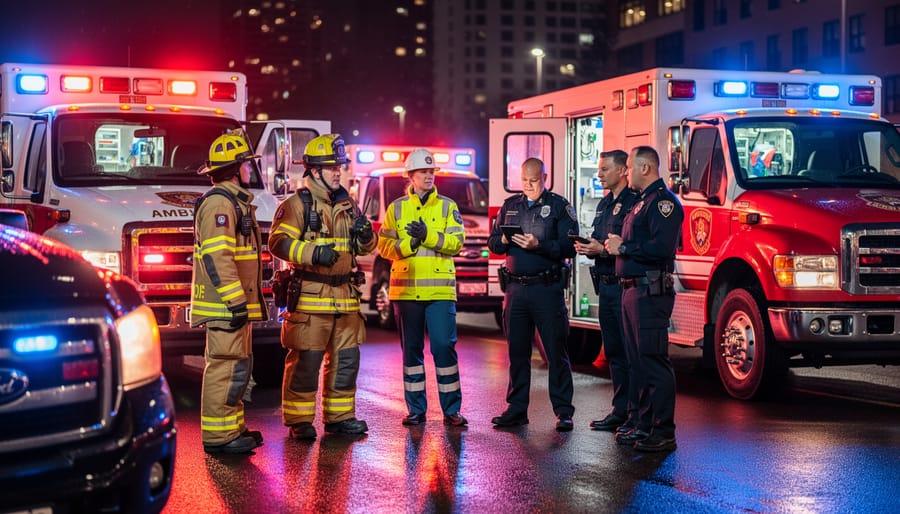
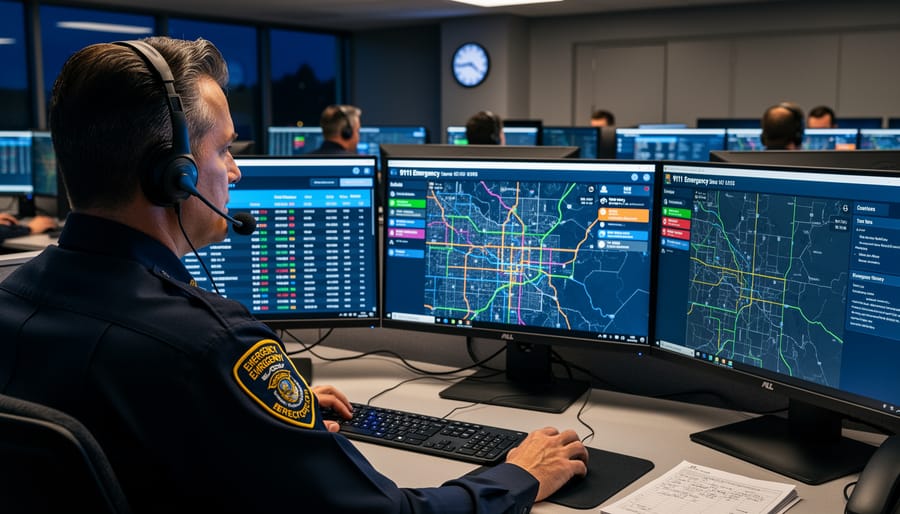
When you call 911 in Halton Region, you’re not just reaching one service, you’re activating a coordinated network designed to deliver help as quickly and efficiently as possible. Halton Emergency Services operates through an integrated system where fire, police, EMS, and community support work as connected parts of one response framework.
The process starts at the communications center, where trained dispatchers simultaneously alert the appropriate agencies based on your emergency. A vehicle accident might trigger fire, EMS, and police response in one call. This coordinated dispatch eliminates delays and ensures every needed resource is en route within seconds.
During large-scale incidents, a major fire, severe weather event, or complex rescue, Halton’s Regional Emergency Operations Centre takes charge. This facility brings together command staff from all emergency services, municipal leaders, and specialized agencies to manage resources, track evolving situations, and make strategic decisions. The centre coordinates everything from evacuations to traffic control, ensuring a unified response rather than separate agencies working in silos.
Mutual aid agreements strengthen this system further. If one municipality faces multiple simultaneous emergencies, neighboring departments can immediately deploy additional crews and equipment. A structure fire in Georgetown might draw support from Burlington or Oakville if needed, maintaining coverage across the region without gaps.
This collaborative approach extends to regular training exercises where fire, police, and paramedics practice joint response scenarios. They establish shared communication protocols, clarify roles during multi-agency incidents, and build the working relationships that make real emergencies run smoothly. The result is faster response, better resource allocation, and consistent protection whether you’re in downtown Burlington or rural farmland.
Accessing Emergency Services in Rural and Agricultural Areas
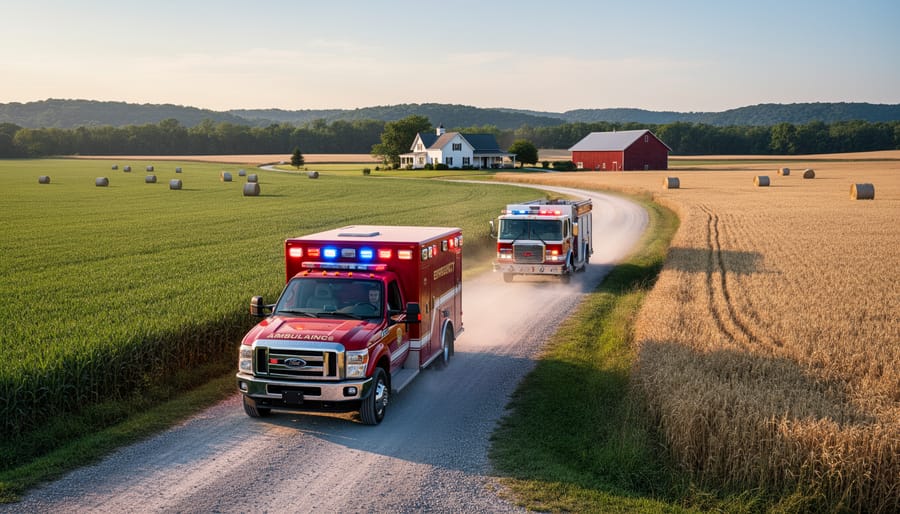
Rural residents and agricultural operators in Halton face unique considerations when accessing emergency services. Providing accurate location details is critical, share your civic address, nearest major intersection, and distinct landmarks like silos or barn colors. If you’re on a farm property without a clear street number, describe visible structures and your distance from well-known roads. Emergency dispatchers are trained to work with rural callers, but clear information speeds response times.
Response times in rural areas naturally exceed those in urban centers due to greater distances between stations and properties. Halton’s fire and EMS services strategically position resources to serve agricultural communities, though you should expect longer arrival times than in Burlington or Oakville. Keeping access roads clear year-round helps emergency vehicles reach you faster, maintain gates that open easily, mark driveways visibly, and ensure lane widths accommodate large trucks.
Farm properties present specific challenges for emergency responders. If possible, secure livestock away from the emergency area and provide information about hazardous materials, fuel storage, or chemical locations on your property. For mental health emergencies in rural settings, crisis support options include mobile teams that can reach isolated areas. Consider posting your civic address prominently at your property entrance and keeping emergency numbers saved in your phone, cellular coverage varies in rural Halton, so knowing alternative contact methods proves valuable during urgent situations.
What to Expect When You Contact Emergency Services
When you dial 911 in Halton, a trained dispatcher will answer immediately and ask specific questions to send the right help. Stay calm and be ready to provide your exact location, including street address, intersection, or landmarks, and describe what’s happening. The dispatcher will ask about the nature of the emergency, whether anyone is injured, if weapons are involved, and other details that help responders prepare before they arrive. Don’t hang up until the dispatcher tells you it’s safe to do so; they’ll stay on the line to provide instructions and updates.
Response times vary based on your location and the type of emergency. Urban areas in Burlington and Oakville typically see fire and EMS arrival within 6-8 minutes, while Milton and Halton Hills may take slightly longer due to geography. Police response depends on the urgency; active crimes receive immediate dispatch, while other situations are prioritized accordingly. Rural properties can expect longer response times, often 12-15 minutes or more, which is why providing clear directions and meeting responders at your driveway entrance helps considerably.
When emergency personnel arrive, they’ll assess the situation quickly and take charge. Firefighters will evaluate hazards and begin suppression or rescue operations. Paramedics will provide immediate medical care and determine if transport to hospital is necessary. Police officers will secure the scene, gather information, and address any threats. Give responders space to work, answer their questions honestly, and follow their directions. They’re trained to handle high-stress situations efficiently while keeping everyone safe.
Frequently Asked Questions
Can I call 911 from my cell phone anywhere in Halton?
Yes, cell phones automatically connect to 911 dispatch regardless of your location within the region. However, be prepared to provide your exact address or describe your location clearly, as cell signals don’t always pinpoint your position accurately, especially in rural areas.
What if I don’t speak English well during an emergency?
Halton’s emergency dispatchers have access to translation services in over 170 languages. Stay on the line and the dispatcher will connect an interpreter to help communicate your emergency and gather necessary information.
Are emergency services available to tourists and visitors?
Absolutely. All emergency services in Halton are available 24/7 to anyone within the region, regardless of whether you live here or are just visiting. Don’t hesitate to call for help if you need it.
What should I do about a pet emergency after hours?
For life-threatening pet emergencies, contact a 24-hour veterinary emergency clinic directly. Emergency services like 911 are reserved for human emergencies, but dispatchers can sometimes provide information about nearby animal emergency facilities.
How do I report non-urgent issues overnight or on weekends?
Use the non-emergency police line at 905-825-4747 for non-urgent police matters, or contact your local municipal office during business hours. Many concerns can also be reported through online service portals that process requests even when offices are closed.
These questions reflect common situations residents face when trying to access help outside regular hours. Understanding these practical details helps everyone use emergency services appropriately and get the right assistance when they need it.
The region’s commitment to accessible emergency response extends beyond immediate crisis response into broader community safety through local initiatives that support residents before emergencies arise. Knowing what services are available around the clock, and how to access them correctly, gives you confidence that help is always within reach.
Halton Region’s integrated network of 24/7 emergency services stands ready to protect residents and visitors whenever help is needed. From fire and rescue teams to paramedics, police, and mental health crisis responders, the region maintains comprehensive coverage across all communities, whether you’re in downtown Burlington, rural Halton Hills, or anywhere in between.
Knowing how to access these services quickly can make a critical difference during an emergency. Keep 911 programmed in your phone, save the non-emergency police line (905-825-4747), and familiarize yourself with mental health crisis contacts before you need them. Share this information with family members, employees, and anyone who spends time on your property, especially in rural areas where specific location details matter.
While Halton’s emergency response system provides exceptional protection, personal preparedness strengthens community resilience. Stay informed about regional emergency plans, weather alerts, and crisis preparedness resources through official Halton channels. Build a basic emergency kit, know your evacuation routes, and understand the services available to you.
Together, professional emergency response and individual readiness create the safest possible environment for everyone who calls Halton Region home or visits its diverse landscapes.