
A well-being community brings together local services, programs, and residents to support physical health, mental wellness, and social connection across all stages of life. In Halton, this means accessing coordinated resources that range from recreation programs and mental health support to volunteer networks and neighbourhood initiatives designed to strengthen quality of life for everyone who calls this region home.
Halton’s approach reflects both its urban centres and rural character. Burlington and Oakville offer established wellness hubs, fitness facilities, and community centres, while Milton and Halton Hills blend these services with trail systems, agricultural landscapes, and smaller-scale programming that fosters close-knit engagement. This diversity ensures that whether you live near Lake Ontario or farmland, pathways to well-being are within reach.
The foundation of a well-being community lies in how people participate. Residents here contribute through volunteerism, attend workshops on healthy living, join social groups, and advocate for services that matter. Local organizations coordinate across health care, municipal recreation, non-profit support services, and grassroots groups to create a web of connection that responds to evolving needs.
Understanding what exists and how to engage makes all the difference. This guide maps Halton’s well-being ecosystem, from mental health clinics and senior programs to youth sports leagues and food security initiatives, and provides clear steps to become an active part of the community’s wellness fabric in 2026.
What Makes a Well-Being Community
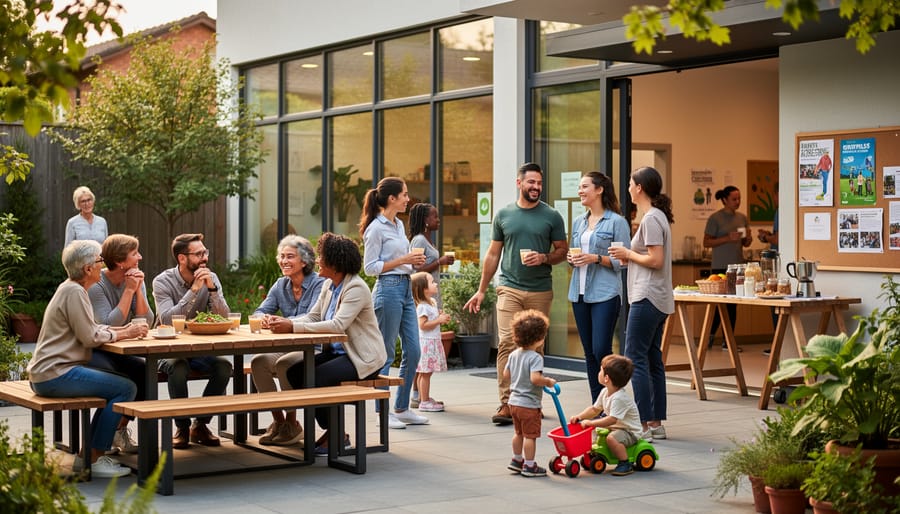
A well-being community rests on five interconnected pillars that together create an environment where residents can genuinely flourish. Accessible health services form the foundation, ensuring preventive care, treatment, and health education reach everyone regardless of location or income. Mental health support removes the stigma and barriers that prevent people from seeking help, offering counselling, crisis intervention, and programs that address stress, anxiety, and isolation before they escalate.
Social connection opportunities combat loneliness and build the relationships that sustain us through difficult times. These range from organized activities and volunteer groups to casual gathering spaces where neighbours can meet and form bonds. Recreational programs provide outlets for physical activity, creative expression, and skill development that improve both body and mind. Safety nets for vulnerable populations ensure that seniors, youth, newcomers, people with disabilities, and low-income families have access to housing support, food security, employment services, and specialized programs that address their specific needs.
These components don’t operate in isolation. A senior who joins a recreation program gains physical activity, social connection, and mental health benefits simultaneously. A mental health support group hosted at a community centre makes use of recreational space while building social bonds. Health services that include nutrition counselling connect to food security programs serving vulnerable families.
In Halton’s diverse landscape, well-being looks different across neighbourhoods but matters equally everywhere. Urban centres like Burlington and Oakville concentrate services in walkable community hubs and transit-accessible locations. Rural areas and agricultural communities require mobile services, online resources, and programs designed around farming schedules and distances between homes. A well-being community adapts its delivery methods to geography while maintaining the same commitment to supporting every resident’s health, happiness, and sense of belonging.
Halton’s Well-Being Community Framework
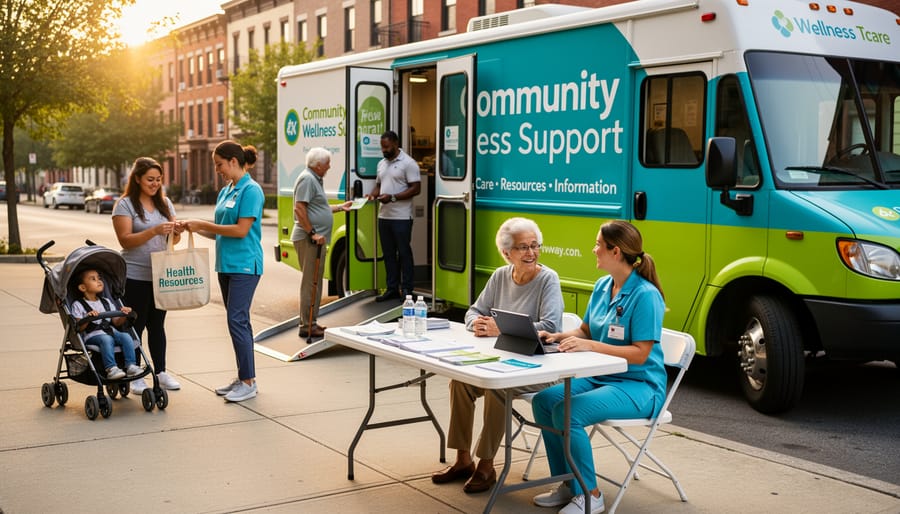
Halton Region’s approach to building a well-being community rests on a coordinated framework that brings together multiple partners working toward a shared goal: ensuring every resident has access to the support, services, and connections they need to thrive. Halton Community Well-being Initiatives unite regional government, local municipalities, Halton Region Health Department, community organizations, grassroots groups, and residents themselves in a collaborative effort. This partnership model means wellness isn’t delivered from the top down, it’s built through listening, planning together, and responding to what different neighbourhoods actually need.
The framework recognizes that Halton’s well-being community spans bustling urban centres in Burlington and Oakville alongside quiet agricultural towns like Milton and Halton Hills. What works in a downtown condo tower won’t necessarily fit a rural farmstead, so programs are designed with flexibility. Urban professionals might access mental health drop-in sessions during lunch breaks, while farming families connect through agricultural wellness workshops or mobile health clinics that come to them. The inclusive programming approach ensures no one is excluded based on where they live, what they do for work, or how they define wellness.
Sustainability is woven throughout. Initiatives focus on long-term solutions rather than temporary fixes, building community gardens that feed families for years, establishing peer support networks that sustain themselves, creating green spaces that serve generations. The framework also emphasizes prevention and connection over crisis intervention, investing in programs that keep people healthy and engaged before problems escalate.
Residents aren’t passive recipients in this model. Community input shapes priorities, volunteers run programs, and local leaders identify gaps. This collaborative structure makes Halton’s well-being community resilient, responsive, and genuinely reflective of the people it serves.
Programs and Services Building Well-Being in Halton
Health and Wellness Programs
Halton Region’s well-being community rests on a comprehensive public health foundation that delivers preventive care, education, and active living support to every neighbourhood. Vaccination clinics operate year-round across urban centres and rural areas, ensuring residents in Milton farmland and downtown Burlington have equal access to seasonal flu shots, childhood immunizations, and travel vaccines. Chronic disease prevention programs target diabetes, heart disease, and obesity through free screening events, group workshops, and personalized coaching sessions that meet people where they are, community centres, libraries, and mobile clinics that rotate through less accessible communities.
The Halton nutrition and activity programs connect residents with registered dietitians, cooking classes focused on affordable healthy eating, and community gardens that strengthen food literacy while building social ties. Physical activity initiatives include free outdoor fitness programs in parks, walking clubs for seniors, youth sports subsidies for low-income families, and trail networks that link urban greenspaces with agricultural heritage routes.
Mobile health units bring services directly to rural residents who face transportation barriers, while evening and weekend clinic hours accommodate shift workers and families juggling multiple commitments. This intentional geographic and temporal flexibility ensures Halton’s health and wellness programs truly serve the entire region, not just those with easy access or flexible schedules.
Mental Health and Social Support
Mental health support in Halton extends far beyond clinical services, it includes accessible counselling, crisis intervention, peer-led programs, and community initiatives designed to break down barriers and normalize conversations about mental wellness. Residents can access mental health resources through Halton Region Public Health, community health centres, and local agencies offering sliding-scale fees or free services, ensuring cost isn’t an obstacle.
Crisis support operates around the clock through dedicated phone lines and mobile teams reaching both urban neighbourhoods and rural properties where isolation compounds stress. Peer support groups connect people facing similar challenges, from postpartum anxiety to chronic stress, creating safe spaces where lived experience builds understanding and trust. These gatherings happen in community centres, libraries, and faith spaces across Halton, meeting residents where they’re comfortable.
Community-based programs address social isolation through drop-in wellness cafés, mental health first aid training for residents, and workplace initiatives helping employers recognize early warning signs. Schools partner with families on youth mental health, while seniors’ programs combat loneliness through regular check-ins and activity groups. This layered approach treats mental health support as essential community infrastructure, not an afterthought.
Recreation and Community Spaces
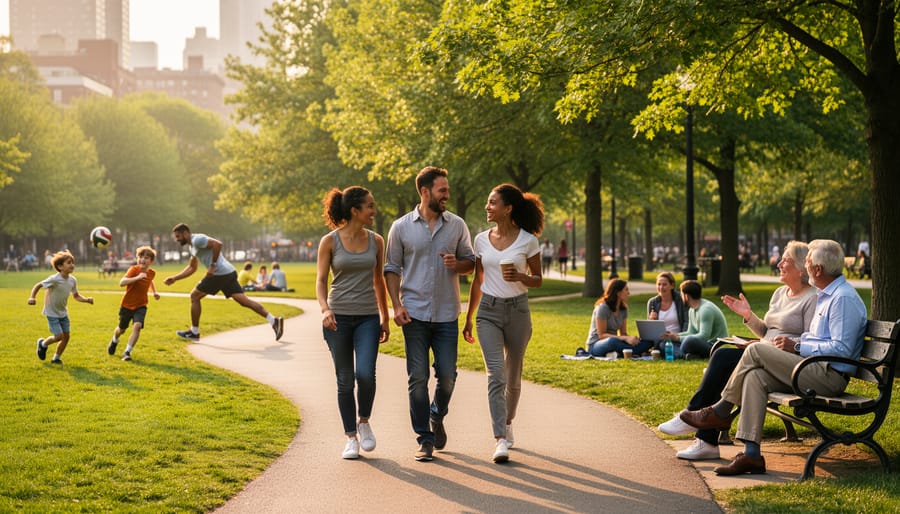
Parks, trails, community centres, sports facilities, and libraries form the backbone of Halton’s well-being community, spaces where neighbours meet, friendships form, and residents stay active and engaged. These gathering places do more than provide amenities; they create opportunities for connection that strengthen social bonds and combat isolation.
Halton’s extensive trail network winds through both urban and rural landscapes, connecting conservation areas, waterfront spaces, and neighbourhood parks. Residents walk, cycle, and gather along these paths, turning daily exercise into social occasions. Community centres host fitness classes, cultural events, drop-in sports, and interest groups that bring together people of all ages and backgrounds.
Libraries function as modern community hubs beyond book lending, offering meeting rooms, technology access, children’s programs, and quiet spaces for study or reflection. They serve as neutral, welcoming ground where everyone belongs.
Sports facilities and arenas provide structured recreation and informal play, from youth hockey leagues to adult pickleball groups. These activities build team spirit and give families shared experiences that anchor them in the community.
Agricultural residents benefit from rural community halls and seasonal festivals that celebrate local heritage while creating gathering points across Halton’s farmland. The blend of urban amenities and rural gathering traditions ensures every resident has access to spaces where they can connect, contribute, and feel they belong.
Support for Vulnerable Populations
A true well-being community measures its strength by how it supports those facing the greatest challenges. Halton delivers targeted programs ensuring seniors, youth, newcomers, low-income families, and people with disabilities access the resources they need to thrive.
Seniors benefit from home support services, transportation programs connecting them to medical appointments and social activities, and falls prevention initiatives that maintain independence. Community centres host regular social gatherings that combat isolation, a critical component of senior wellness.
Youth programs address mental health through school-based counselling, after-school mentorship, recreation subsidies removing financial barriers to sports and arts, and employment readiness training. Halton recognizes that investing in young people strengthens the entire community’s future well-being.
Newcomers receive settlement services including language classes, employment bridge programs recognizing foreign credentials, and cultural orientation sessions helping families navigate local systems. These programs accelerate integration and belonging.
Food security initiatives operate year-round: community gardens, breakfast programs in schools, fresh food markets in underserved areas, and emergency food banks. Housing support includes rent assistance, transitional housing for families in crisis, and accessibility modifications for people with disabilities.
Employment services offer job search support, skills training, and workplace accommodations ensuring everyone can contribute economically. Specialized programs address specific needs, autism support groups, caregiver respite services, addiction recovery resources, creating safety nets that catch people before crisis deepens. Halton’s well-being community philosophy insists that comprehensive support builds stronger neighbourhoods for everyone.
Getting Involved in Your Well-Being Community
Participating in Halton’s well-being community starts with knowing where to look. Residents can access program information through their local municipality’s website, Halton Region’s community services portal, and neighborhood community centers that post upcoming events and available supports. Many services, from fitness classes to support groups, require just a phone call or online registration to join. If you’re seeking mental health support, exploring counselling options through regional health services is a strong first step.
Volunteering strengthens the well-being network while connecting you to neighbors. Opportunities range from leading recreational activities and mentoring youth to delivering meals for seniors or staffing community events. Local organizations welcome skills-based volunteers, whether you’re a retired nurse, a marketing professional, or someone who just wants to help set up chairs at events.
Business owners play a vital role too. Companies can sponsor recreation programs, host wellness workshops for employees and the broader community, or donate space for support group meetings. Restaurants and grocery stores partnering with food security programs directly address hunger while building goodwill. Agricultural businesses contribute by supporting farm-to-table initiatives that connect rural producers with urban consumers, reinforcing Halton’s blend of lifestyles.
A well-being community doesn’t run on services alone, it requires your participation. Whether you’re attending a workshop, joining a walking group, or simply showing up at a neighborhood gathering, every connection you make strengthens the network that supports everyone. Engagement turns programs into communities, and communities into places where people truly thrive.
Common Questions About Well-Being Communities in Halton
Who can access Halton’s well-being community programs?
Most programs are open to all Halton residents regardless of income or background. Some specialized services may have eligibility criteria based on age, health needs, or residency status, but information staff can guide you to appropriate resources.
How are well-being initiatives funded in Halton?
Programs receive funding from multiple sources including regional and municipal budgets, provincial health transfers, federal grants, and partnerships with community organizations. This blended approach ensures stable, sustainable services across urban and rural areas.
How do I find out about new well-being programs?
Check your municipality’s website and newsletter, follow Halton Region on social media, visit local community centres, and sign up for email updates from organizations serving your neighbourhood. Libraries and recreation centres also post current program information.
What makes Halton’s well-being community approach different?
Halton coordinates services across four municipalities while respecting the distinct needs of urban professionals and agricultural families. The regional framework connects health services, recreation programs, and social supports into a cohesive network rather than operating in silos.
If you need crisis support or want to access mental health help most services offer walk-in options, phone lines, and online portals with same-day availability. No referral is needed for many programs. Community organizations understand that asking for help can feel difficult, so staff are trained to make connecting with services as straightforward as possible.
Business owners wondering how to support well-being efforts can contact the regional economic development office to learn about workplace wellness partnerships, sponsorship opportunities, and employee assistance programs that strengthen both their team and the broader community.
A well-being community thrives when neighbours look out for each other, when services reach those who need them most, and when every resident feels they belong. In Halton, this vision takes shape through coordinated programs that connect urban professionals in Burlington and Oakville with agricultural families across rural townships, ensuring no one is left behind. The region’s commitment runs deeper than clinic hours and recreation schedules, it’s built into partnerships between local government, health agencies, community organizations, and residents who volunteer their time and expertise.
Your participation matters. Whether you access mental health support, join a recreation program, volunteer at a community event, or simply check in on an elderly neighbour, you strengthen the fabric of Halton’s well-being community. Explore the resources outlined in this article, connect with initiatives that resonate with you, and contribute your voice to shaping what wellness means in your neighbourhood. A healthier, more connected Halton starts with each of us choosing to engage, support, and build together.